
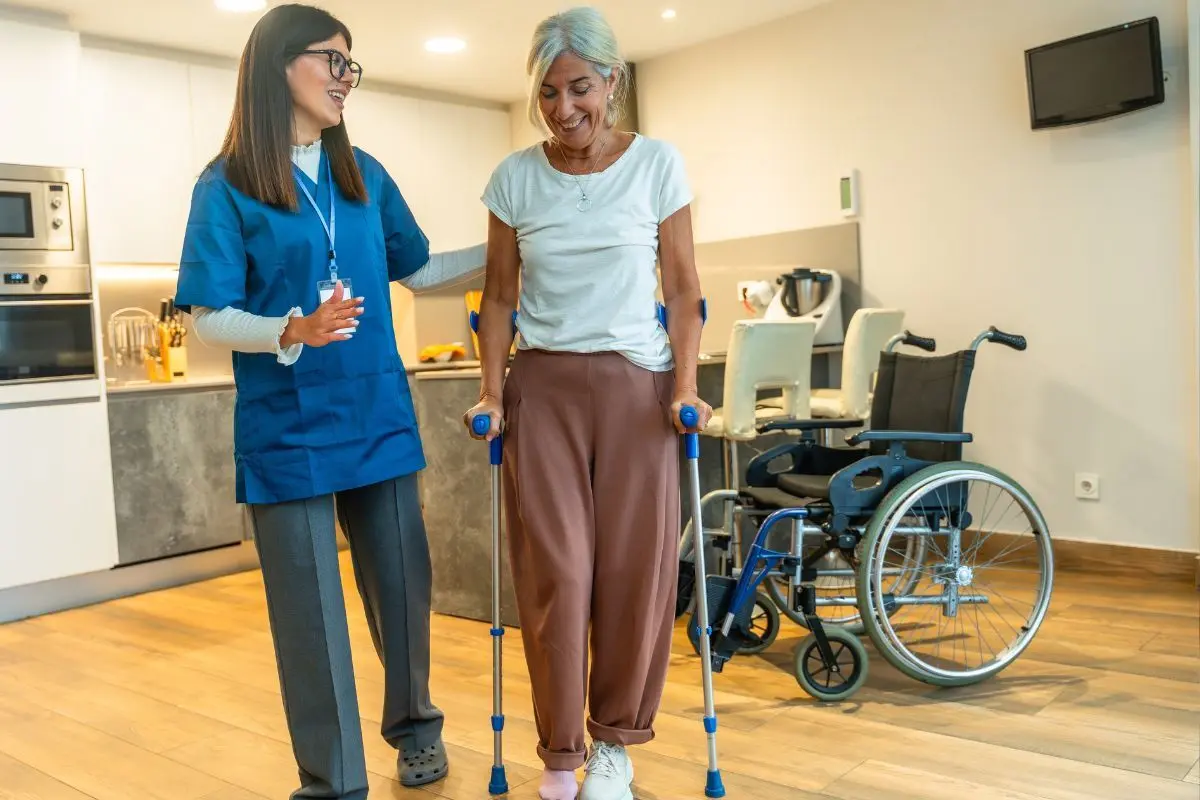

- Supporting independent living for seniors with mobility issues involves creating safe environments, providing mobility assistance, encouraging physical activity, and maintaining emotional and social connections.
- Accessible homes, personalized care plans, community support, and services such as respite care help seniors remain independent while receiving necessary assistance.
- Natural remedies, healthy nutrition, and nature-based wellness practices can support overall well-being when used safely alongside professional healthcare. The goal is to help seniors maintain dignity, confidence, and a better quality of life as they age.
Introduction
Aging is a natural part of life, and many seniors wish to maintain their independence, dignity, and quality of life as they grow older. However, mobility issues caused by aging, chronic illnesses, injuries, or physical limitations can make it difficult to perform everyday activities. Simple tasks such as walking, preparing meals, shopping, attending appointments, or maintaining a home may become more difficult over time. Supporting independent living for seniors with mobility issues requires a thoughtful approach that combines accessibility, safety, emotional support, healthcare assistance, and opportunities to maintain personal choice.
Independent living does not mean that seniors must handle everything alone. Instead, it means creating an environment where older adults can make their own decisions and participate in daily life while receiving the right level of support when needed. Access to mobility aids, home modifications, community resources, and supportive care can help seniors remain active and confident. In addition, many older adults are interested in natural remedies and holistic approaches that may complement traditional healthcare practices. Providing safe access to natural remedies, while considering medical advice and individual needs, can contribute to overall wellness and comfort.
Understanding Mobility Challenges Among Seniors
Mobility issues are among the most common concerns faced by older adults. These challenges may develop due to conditions such as arthritis, osteoporosis, muscle weakness, balance problems, neurological disorders, or recovery from surgery. Limited mobility can affect not only physical abilities but also emotional well-being. Seniors who struggle with movement may feel frustrated, isolated, or dependent on others for tasks they once completed independently. Loss of mobility can also increase the risk of falls, which are a major concern for older adults. A fall may lead to injuries, hospitalization, reduced confidence, and further limitations in movement. Because of these risks, creating a safe and supportive living environment is essential. Early recognition of mobility challenges allows families, caregivers, and healthcare professionals to introduce solutions that help seniors continue living independently for as long as possible.
Mobility support should focus on improving abilities rather than only managing limitations. Encouraging safe movement, regular physical activity, and participation in meaningful activities can help seniors maintain strength and confidence. Every senior has unique needs, so support plans should be personalized according to their health conditions, preferences, and lifestyle.
Creating Safe and Accessible Living Environments
One of the most important steps in supporting independent living is making homes safer and more accessible. Many household environments are designed without considering the physical changes that often occur with aging. Small adjustments can make a significant difference in preventing accidents and promoting independence. Home modifications may include installing grab bars in bathrooms, improving lighting, removing loose rugs, creating clear walking paths, adding handrails on stairs, and adjusting furniture placement. For seniors who use walkers, wheelchairs, or other mobility devices, wider doorways and accessible room layouts can make movement easier. Technology can also play an important role in improving senior independence. Emergency alert systems, smart home devices, automated lighting, and medication reminders can provide additional safety and convenience. These tools allow seniors to maintain control over their routines while giving family members peace of mind.
Accessible transportation is another important factor. Many seniors with mobility challenges may avoid social activities or medical appointments because transportation is difficult. Community transportation programs, senior-friendly vehicles, and assistance services can help older adults remain connected and engaged.
The Role of Physical Activity and Mobility Support
Maintaining physical activity is essential for seniors with mobility issues. While physical limitations may require adjustments, gentle and consistent movement can improve strength, flexibility, balance, and overall health. Activities such as walking, stretching, chair exercises, yoga designed for seniors, and water-based exercises can be beneficial when performed safely. Physical therapists and healthcare professionals can develop personalized exercise plans based on an individual’s abilities and medical conditions. These programs focus on improving movement, reducing pain, and increasing confidence. Assistive devices such as canes, walkers, and mobility scooters may also help seniors move more freely and safely. Encouragement and motivation are important parts of maintaining an active lifestyle. Seniors are more likely to participate in physical activities when they feel supported rather than pressured. Family members and caregivers can help by joining activities, celebrating progress, and creating opportunities for enjoyable movement.
Emotional and Social Support for Independent Seniors
Independence involves more than physical ability. Emotional health and social connections are equally important for senior well-being. Mobility challenges can sometimes lead to loneliness because seniors may find it harder to visit friends, attend community events, or participate in hobbies. Maintaining social connections can improve mental health and provide a sense of belonging. Family visits, community programs, senior centers, online communication, and group activities can help reduce isolation. Encouraging seniors to continue pursuing hobbies and interests also supports confidence and personal identity. Caregivers play a valuable role in providing companionship and assistance. However, caregivers also need support to prevent exhaustion and stress. Services such as respite care services can provide temporary relief for family caregivers while ensuring that seniors continue receiving quality care. This type of support allows families to maintain healthier relationships and create sustainable caregiving arrangements.
Access to Natural Remedies for Senior Wellness
Many seniors are interested in natural remedies as part of their approach to maintaining health and improving quality of life. Natural remedies may include herbal products, nutritional supplements, traditional wellness practices, relaxation techniques, and lifestyle approaches. These options are often used to support areas such as sleep, stress management, digestion, energy levels, and general comfort. However, access to natural remedies should always be approached carefully. Older adults often take prescription medications, and some natural products may interact with medicines or affect existing health conditions. Consulting healthcare professionals before starting new supplements or herbal treatments is important to ensure safety. Natural approaches can work alongside medical care rather than replacing necessary treatments. For example, a balanced diet rich in fruits, vegetables, whole grains, and healthy proteins can support overall wellness. Staying hydrated, maintaining a regular sleep schedule, practicing relaxation techniques, and spending time outdoors can also contribute to better physical and emotional health.
Benefits of Nature-Based Wellness for Seniors
Spending time in natural environments can have positive effects on seniors’ health and mood. Gardens, parks, and outdoor spaces provide opportunities for gentle activity, relaxation, and connection with nature. Activities such as gardening, walking outdoors, or simply enjoying fresh air can support emotional wellness. Nature-based activities may help reduce stress and encourage mindfulness. For seniors experiencing anxiety, loneliness, or emotional challenges, peaceful outdoor environments can offer comfort and enjoyment. Gardening, in particular, can be a rewarding activity because it offers light physical movement and a sense of purpose. Indoor access to nature can also be valuable for seniors with limited mobility. Houseplants, natural lighting, nature sounds, and indoor gardening activities can bring elements of the outdoors into the home. These small changes can improve the living environment and create a more positive atmosphere.
Nutrition and Natural Approaches to Healthy Aging
Nutrition plays a major role in supporting senior independence. A healthy diet can help maintain muscle strength, support immune function, and improve energy levels. Seniors with mobility issues may need additional attention to nutrition because reduced activity levels, medication effects, or health conditions can influence appetite and dietary needs. Protein-rich foods help maintain muscle health, which is important for movement and balance. Calcium and vitamin D support bone health, while fiber-rich foods promote digestive wellness. Drinking enough water is also essential because older adults may have a reduced sense of thirst. Natural foods and traditional dietary practices can contribute to healthy aging when they are part of a balanced lifestyle. Fresh fruits, vegetables, nuts, seeds, and whole foods provide important nutrients. However, dietary changes should take into account individual medical conditions and recommendations from healthcare providers.
Encouraging Independence Through Personalized Care Plans
Every senior has different abilities, goals, and preferences. A personalized care plan ensures that support is tailored to the individual rather than relying on a general approach. These plans may include medical care, mobility assistance, nutrition guidance, social activities, and wellness practices. Families and caregivers should involve seniors in decisions about their care. Giving older adults a voice helps preserve dignity and independence. Instead of focusing only on what seniors cannot do, support should emphasize what they can achieve with the right resources. Regular assessments can help identify changing needs. As mobility, health conditions, or personal goals change, care plans should be adjusted. A flexible approach ensures that seniors continue receiving appropriate support while maintaining control over their lives.
The Importance of Community Resources
Communities play an important role in supporting aging populations. Senior-friendly neighborhoods, accessible public spaces, healthcare services, volunteer programs, and wellness activities help older adults remain active participants in society. Community organizations can offer exercise classes, educational programs, transportation assistance, social gatherings, and health resources. These services reduce isolation and create opportunities for seniors to build relationships. A supportive community benefits not only seniors but also families and caregivers. When resources are available, families can share responsibilities and access professional assistance when needed. Building age-friendly communities allows seniors to continue contributing their knowledge, experiences, and talents.
Conclusion
Supporting independent living for seniors with mobility issues requires a balanced approach that addresses physical safety, emotional wellness, social connection, and personal choice. Mobility challenges do not have to prevent older adults from enjoying meaningful and independent lives. With accessible environments, effective support systems, safe mobility options, and personalized care, seniors can maintain their confidence and dignity.
Access to natural remedies and holistic wellness practices can also play a supportive role in healthy aging when used responsibly. Nutrition, connection with nature, relaxation techniques, and lifestyle choices can contribute to overall well-being. However, these approaches should complement professional healthcare guidance to ensure safety.
The goal of senior support should always be to empower older adults. Independence is not about doing everything alone; it is about having the freedom, resources, and confidence to live life in line with personal values and preferences. By combining practical assistance, compassionate care, and access to wellness options, communities and families can help seniors enjoy healthier, safer, and more fulfilling lives.