

30 seconds summary
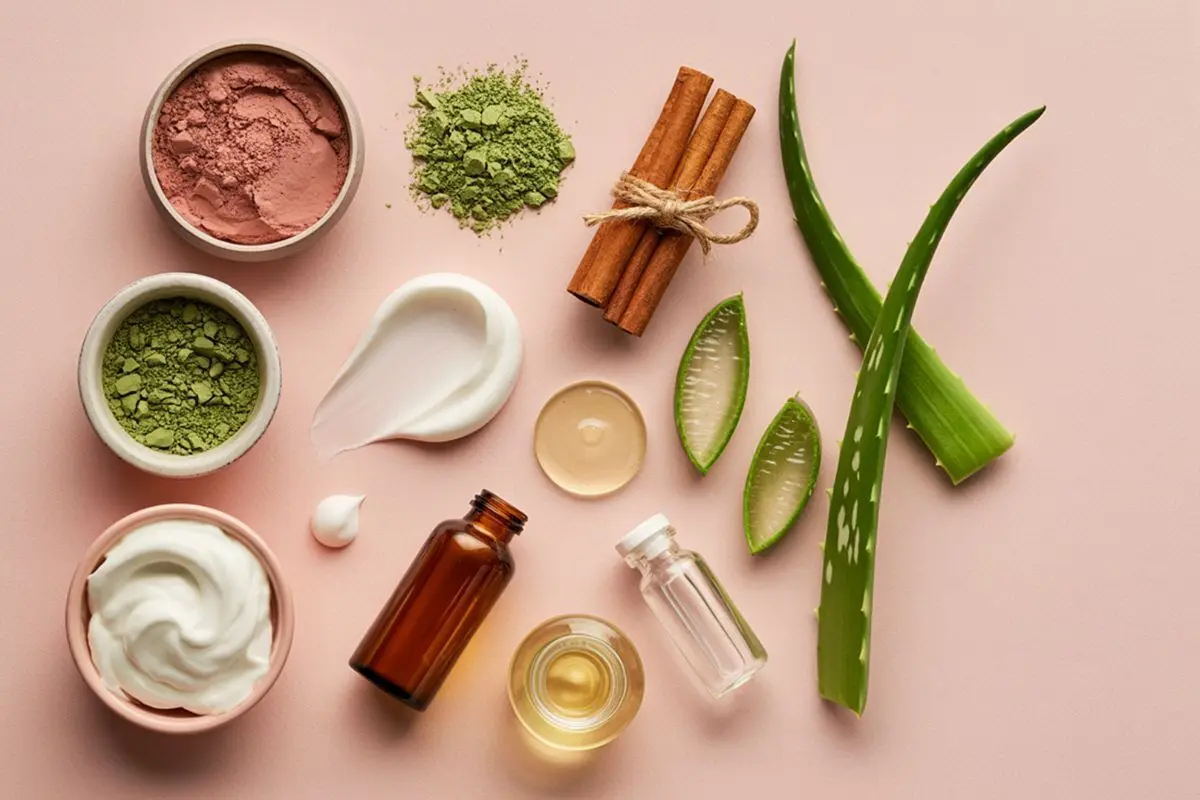
- Seeds of Beauty: Unlocking the Potential of Natural Ingredients in Skincare and Horticulture explores how seeds and plant-derived ingredients are transforming both skincare and gardening.
- Rich in antioxidants, essential fatty acids, vitamins, and bioactive compounds, seed extracts can hydrate, protect, and rejuvenate the skin while supporting sustainable cosmetic innovation.
- At the same time, seeds play a vital role in horticulture by promoting biodiversity, sustainable cultivation, and the development of resilient, high-value plants. The key message is that nature’s smallest building blocks hold immense potential for healthier skin and a more sustainable future.
Nature has long been humanity’s greatest source of nourishment, healing, and inspiration. Among its most remarkable creations are seeds, tiny biological powerhouses packed with nutrients that support the growth of new plants while offering immense benefits for human health and skincare. As consumers increasingly seek sustainable, eco-friendly, and chemical-free beauty solutions, seed-derived ingredients have become essential components in modern cosmetic formulations, especially face serums.
Face serums are lightweight, concentrated skincare products designed to deliver active ingredients deep into the skin. When infused with natural seed oils and botanical extracts, they provide hydration, antioxidant protection, anti-aging benefits, and skin barrier support without the heaviness associated with traditional creams. At the same time, horticulture continues to unlock innovative methods of cultivating high-quality botanical ingredients, ensuring a sustainable supply of plant-based materials for the beauty industry.
This article explores the fascinating relationship among seeds, horticulture, and skincare, highlighting the remarkable potential of natural ingredients in face serums.
Understanding the Power of Seeds
Seeds represent the beginning of life. Every seed contains essential nutrients required for a plant’s early development, including:
- Essential fatty acids
- Vitamins
- Minerals
- Proteins
- Amino acids
- Natural antioxidants
- Polyphenols
- Phytosterols
These compounds not only nourish developing plants but also provide exceptional benefits when incorporated into skincare products. Scientific research increasingly supports the use of seed oils and sprout extracts as sources of antioxidants, anti-inflammatory compounds, and skin-conditioning ingredients.
Horticulture: The Foundation of Natural Beauty
Horticulture is the science and art of cultivating fruits, vegetables, flowers, herbs, and medicinal plants. Without sustainable horticultural practices, the cosmetic industry would struggle to obtain consistent, high-quality botanical ingredients.
Modern horticulture contributes to skincare by:
- Producing pesticide-controlled medicinal plants
- Conserving biodiversity
- Improving seed quality
- Supporting organic farming
- Reducing environmental impact
- Encouraging sustainable harvesting
Many skincare companies now collaborate directly with farmers to source botanical ingredients responsibly, promoting both environmental conservation and local economic development.
Natural Ingredients in Face Serums
Natural face serums combine plant extracts, seed oils, vitamins, and botanical antioxidants to address various skin concerns. Unlike heavy moisturizers, serums contain smaller molecules that absorb quickly into the skin.
Common natural ingredients include:
Rosehip Seed Oil
Rosehip seed oil is rich in:
- Vitamin A
- Vitamin C
- Essential fatty acids
- Lycopene
Benefits include:
- Reducing fine lines
- Improving skin elasticity
- Brightening dull skin
- Supporting scar reduction
- Enhancing collagen production
Pumpkin Seed Oil
Pumpkin seeds contain:
- Zinc
- Vitamin E
- Omega-3 fatty acids
- Antioxidants
These nutrients help:
- Hydrate skin
- Strengthen the skin barrier
- Reduce inflammation
- Support acne-prone skin
Recent research also highlights pumpkin and other Cucurbitaceae seeds as promising sustainable cosmetic ingredients because of their antioxidant and moisturizing properties.
Grapeseed Oil
Extracted from grape seeds, this lightweight oil contains:
- Linoleic acid
- Polyphenols
- Vitamin E
Benefits include:
- Balancing oily skin
- Improving elasticity
- Protecting against environmental damage
- Reducing redness
Sunflower Seed Oil
Sunflower seed oil is widely recognized for:
- Ceramide support
- Skin barrier repair
- Moisture retention
- Gentle hydration
It is suitable for sensitive skin because of its mild formula.
Pomegranate Seed Oil
Rich in punicic acid and antioxidants, pomegranate seed oil helps:
- Reduce oxidative stress
- Improve firmness
- Support skin regeneration
- Fight premature aging
Chia Seed Oil
Chia seeds are abundant in:
- Omega-3 fatty acids
- Antioxidants
- Minerals
Benefits include:
- Soothing irritation
- Deep hydration
- Improving skin softness
- Supporting barrier function
Hemp Seed Oil
Hemp seed oil provides:
- Balanced omega fatty acids
- Vitamin E
- Gamma-linolenic acid
It may help:
- Calm inflammation
- Reduce dryness
- Balance sebum production
- Improve sensitive skin
Botanical Extracts in Natural Face Serums
Besides seed oils, many face serums include botanical extracts such as:
- Green tea
- Aloe vera
- Chamomile
- Calendula
- Licorice root
- Centella asiatica
These extracts provide:
- Anti-inflammatory effects
- Antioxidant protection
- Hydration
- Skin calming
- Brightening support
Why Face Serums Are More Effective
Face serums differ from creams because they contain higher concentrations of active ingredients.
Advantages include:
- Faster absorption
- Lightweight texture
- Greater ingredient concentration
- Targeted treatment
- Layering compatibility
Natural serums particularly benefit individuals seeking:
- Hydration
- Anti-aging care
- Brightening
- Acne management
- Sensitive skin support
Antioxidants: Nature’s Defense Against Skin Aging
Environmental stressors such as pollution, ultraviolet radiation, and smoke generate free radicals that damage skin cells.
Natural antioxidants found in seed-derived ingredients include:
- Vitamin E
- Vitamin C
- Flavonoids
- Polyphenols
- Carotenoids
These antioxidants help:
- Neutralize free radicals
- Prevent collagen breakdown
- Reduce pigmentation
- Improve skin tone
- Slow visible aging
Emerging research on sprout extracts also suggests they may offer antioxidant and anti-inflammatory benefits relevant to skin aging and barrier health.
Hydration Through Plant Oils
Healthy skin depends on maintaining moisture.
Natural seed oils provide:
- Essential fatty acids
- Lipids
- Sterols
These ingredients reinforce the skin barrier, reducing water loss and improving softness.
Hydrated skin appears:
- Smoother
- Brighter
- More youthful
- Less irritated
Anti-Aging Benefits
Natural face serums combat aging through multiple mechanisms:
Stimulating Collagen
Vitamin C-rich botanicals encourage collagen synthesis.
Reducing Inflammation
Plant compounds calm chronic skin irritation that accelerates aging.
Improving Elasticity
Essential fatty acids strengthen skin structure.
Repairing Damage
Antioxidants support natural cellular repair processes.
Sustainable Beauty Through Seed Utilization
One exciting trend is the use of agricultural by-products in cosmetics. Instead of discarding seeds from fruits such as pumpkin, watermelon, melon, and mango after food processing, manufacturers extract valuable oils and antioxidants for skincare formulations. This approach reduces waste while creating high-value cosmetic ingredients.
Benefits include:
- Reduced food waste
- Circular economy practices
- Lower environmental impact
- Additional income for farmers
- More sustainable production
Organic Farming and Cosmetic Quality
Organic horticulture minimizes exposure to:
- Synthetic pesticides
- Herbicides
- Chemical fertilizers
As a result, organically cultivated botanical ingredients often appeal to consumers seeking environmentally responsible skincare.
Organic farming also promotes:
- Healthy soils
- Biodiversity
- Water conservation
- Pollinator protection
Face Serum Formulation
A natural face serum generally contains:
Carrier Oils
Examples include:
- Jojoba oil
- Rosehip oil
- Grapeseed oil
Active Botanical Ingredients
Such as:
- Vitamin C
- Green tea extract
- Niacinamide (plant-compatible formulations)
- Licorice extract
Humectants
Including:
- Glycerin
- Hyaluronic acid
Preservatives
Natural or approved cosmetic preservatives ensure product safety and shelf life.
Choosing the Right Natural Face Serum
Consumers should select serums based on their skin concerns.
Dry Skin
Look for:
- Rosehip oil
- Sunflower seed oil
- Hyaluronic acid
Oily Skin
Choose:
- Grapeseed oil
- Hemp seed oil
- Lightweight botanical extracts
Sensitive Skin
Consider:
- Chamomile
- Calendula
- Aloe vera
Mature Skin
Beneficial ingredients include:
- Vitamin C
- Pomegranate seed oil
- Rosehip oil
Regardless of ingredients, consistent sunscreen use remains one of the most effective ways to reduce photoaging and protect skincare results.
The Future of Natural Skincare
Innovation continues to reshape botanical skincare through:
- Biotechnology
- Green chemistry
- Plant cell cultures
- Seed biotechnology
- Sustainable extraction methods
- Nano-delivery systems for plant-derived actives
Researchers are also exploring improved delivery systems to enhance the stability and effectiveness of seed oils and botanical compounds in cosmetic formulations.
Challenges
Despite their advantages, natural ingredients present certain challenges.
These include:
- Variability in plant quality
- Seasonal availability
- Shorter shelf life for some extracts
- Standardization difficulties
- Higher production costs
Careful formulation, quality control, and responsible sourcing are therefore essential.
Consumer Demand for Clean Beauty
Modern consumers increasingly value products that are:
- Plant-based
- Cruelty-free
- Sustainable
- Responsibly sourced
- Free from unnecessary harsh chemicals
This demand has encouraged cosmetic manufacturers to invest in botanical research while partnering with horticultural producers to secure reliable supplies of premium natural ingredients.
Conclusion
Seeds are far more than the beginning of a plant’s life; they are reservoirs of nutrients, antioxidants, and bioactive compounds that offer tremendous potential for both skincare and sustainable horticulture. From rosehip and pumpkin seed oils to grapeseed and pomegranate extracts, seed-derived ingredients enrich face serums with moisturizing, protective, and rejuvenating properties that support healthier, more resilient skin.
Meanwhile, advances in horticulture and sustainable agriculture are ensuring these natural resources are cultivated responsibly, helping preserve biodiversity while reducing environmental impact. By transforming agricultural by-products into high-value cosmetic ingredients and embracing eco-conscious cultivation practices, the beauty industry is moving toward a future where skincare effectiveness and environmental stewardship go hand in hand.
Natural face serums embody this convergence of science and nature. Their concentrated botanical formulations deliver targeted skin benefits while reflecting a broader commitment to sustainability and innovation. As research continues to uncover new applications for seeds, sprouts, and plant extracts, these humble natural ingredients are poised to play an even greater role in the future of skincare, proving that the smallest seeds can indeed grow into the greatest sources of beauty.